Automotive How-To Tech Articles
The following articles were written for the mechanically inclined person who owns or has access to a fair amount of tools, has some automotive background, and is willing to learn new skills.
Although there are numerous ways to approach any given problem, these methods haven proven to be practical and reliable.
*********
Electrical
Compared to today's modern vehicles, a non-spark issue on an old car or truck is simple to diagnose.
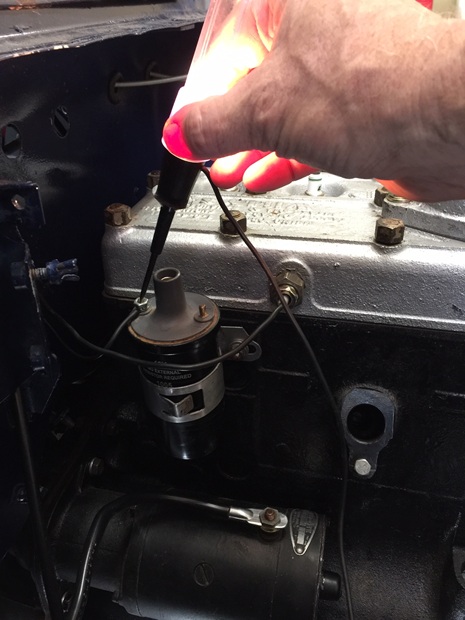
Read: Troubleshooting Points Ignition
One-Wire Alternator Conversion
One-wire alternators are popular when converting an old car or truck from 6-volts to 12-volts. They can also be used to replace a generator in an old car or truck, or any hot rod/custom application.
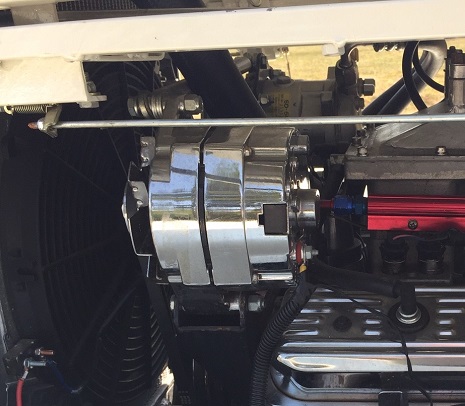
Read: Install A One-Wire Alternator
Add Turn Signals
Besides being a requirement in most U.S. states, adding turn signals to an old car makes them better suited for today's roads and traffic.
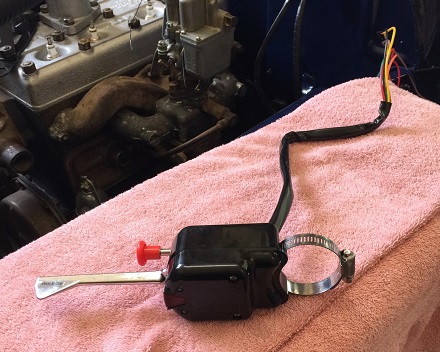
Read: Add Turn Signals To An Old Car
6 Volt to 12 Volt Conversion
You may consider upgrading to a 12 volt system if you're adding power accessories such as an aftermarket radio and amplifier, electric cooling fan, power windows or power seats, halogen headlights, or LED tail lights.
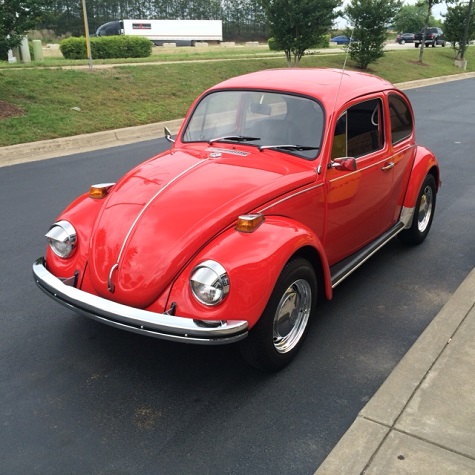
Read: Convert 6-Volt Car To 12-Volts
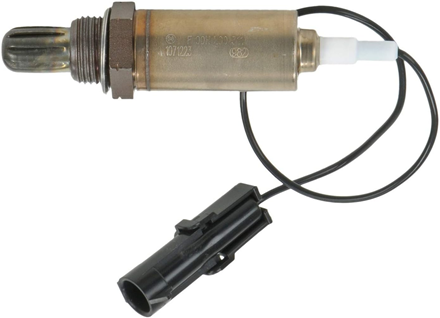
Add Oxygen Sensor
Thinking of retrofitting a fuel injection system onto an old car or truck? This article explains why, how, and where to mount an O2 sensor.
Read: Add Oxygen Sensor To Old Car
*********
Drum Brakes
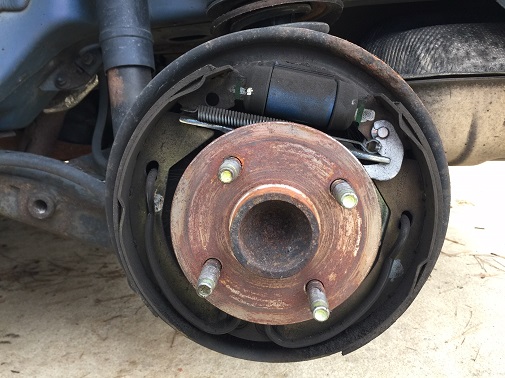
Drum brakes may not be high-tech, but that's what stopped most cars from the 1930s to the 1970s.
Read: Overhauling Drum Brake Systems
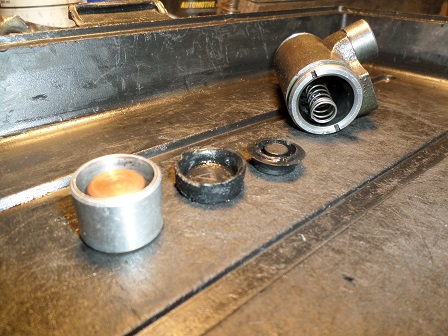
Rebuild Wheel Cylinders
Most of the new wheel cylinders you see advertised are made overseas, and they were designed to be manufactured as cheaply as possible. If your original cylinders are safely rebuildable, this is always a better choice. Rebuilding wheel cylinders is generally cheaper than replacing them, but it does takes longer.
Read: Rebuild Wheel Cylinders
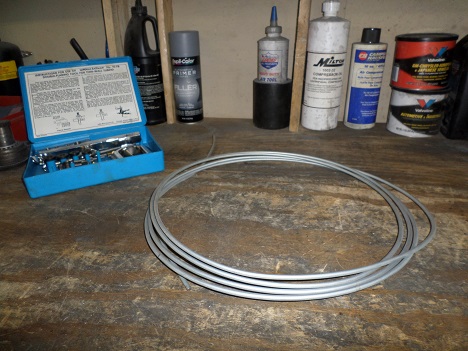
Brake Line Fabrication
Steel brake lines are vulnerable to corrosion. The problem with the ones sold in auto parts stores is, they rarely have the correct fittings and the exact length that you need.
Read: How To Make Brake Lines
Brake Caliper Painting
Painting calipers is all about surface preparation.
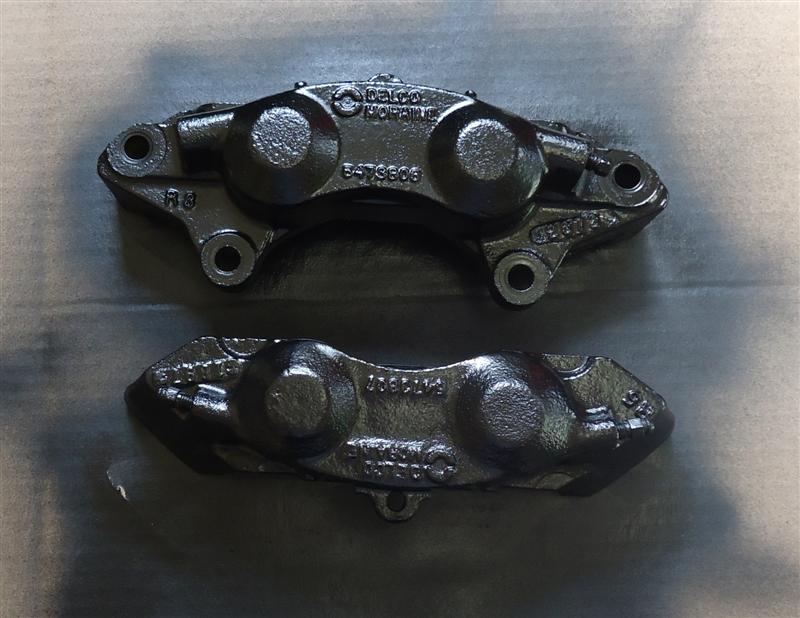
Read: How To Paint Brake Calipers
You don't have to remove brake calipers to paint them, but it would likely produce neater and cleaner results.
*********
Patch Panels
If a body panel has rust spots but no collision damage, replacing the whole panel may not be necessary. An alternative is to cut out the rusted area, make a template, trace it onto sheet metal, cut it out, and weld it in.
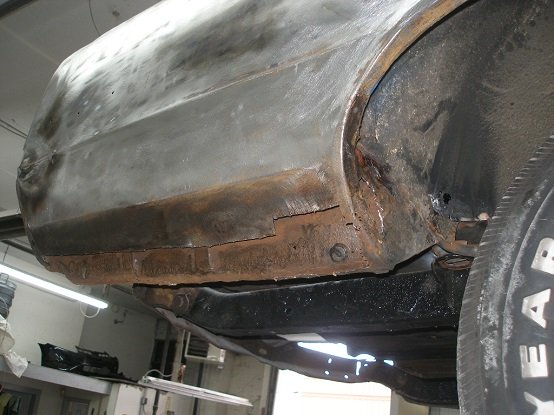
Read: How To Make A Patch Panel
MIG Weld Sheet Metal
You may have heard people say that it's easy to MIG weld. When trying to weld thin sheet metal metal, it's easy to MIG weld badly.
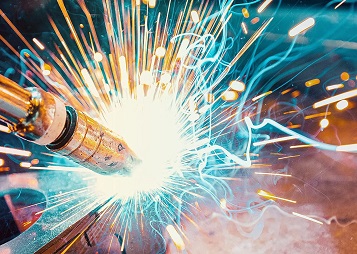
Read: MIG Welding Sheet Metal
*********
How To Cut Sheet Metal
From a $10 hacksaw to a horizontal band saw costing hundreds of dollars, there are many ways to cut sheet metal.
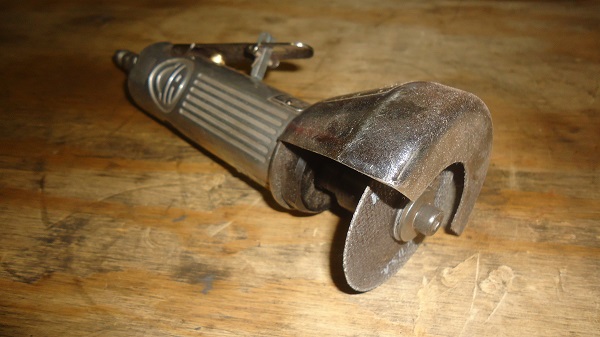
Read: Nine Ways To Cut Sheet Metal
*********
Starting A Car That Has Been Sitting A Long Time
Before you pour fresh fuel into that old car's gas tank and try to start the engine, there's several precautions you should take to avoid damaging the motor.
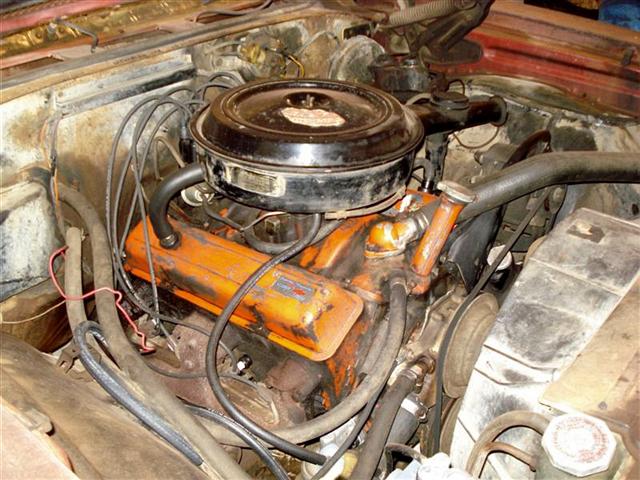
Read: Getting An Old Car Running
*********
Engine Valve Lapping
Lapping valves does not take the place of a valve job, but it does confirm whether or not one is needed. It actually takes longer to clean, prepare, and round up the supplies than to actually lap the valves.
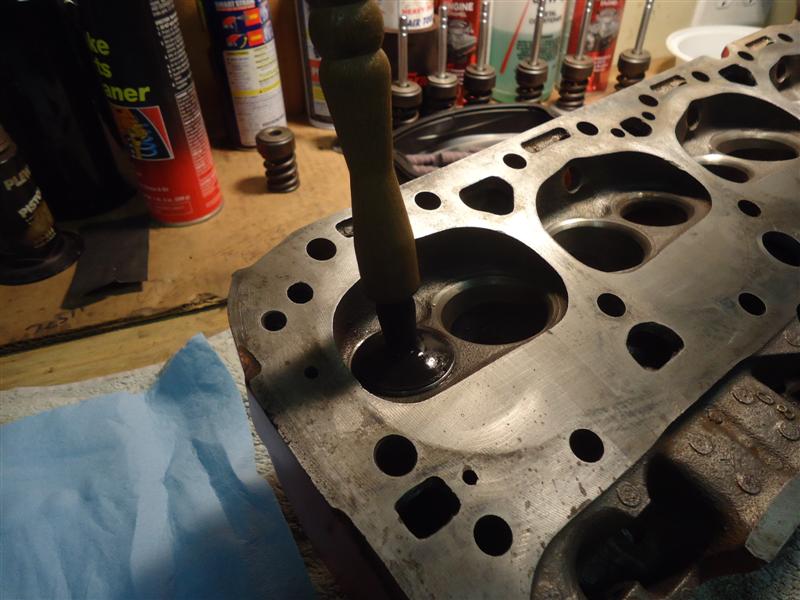
Read: How To Lap Valves
*********
Paint A Car Yourself
If you're willing to put in the time and energy, painting a car yourself can be done. Just be sure to include a realistic time schedule in your plan, and keep it flexible. Things can and do go wrong.
Read: How To Paint A Car
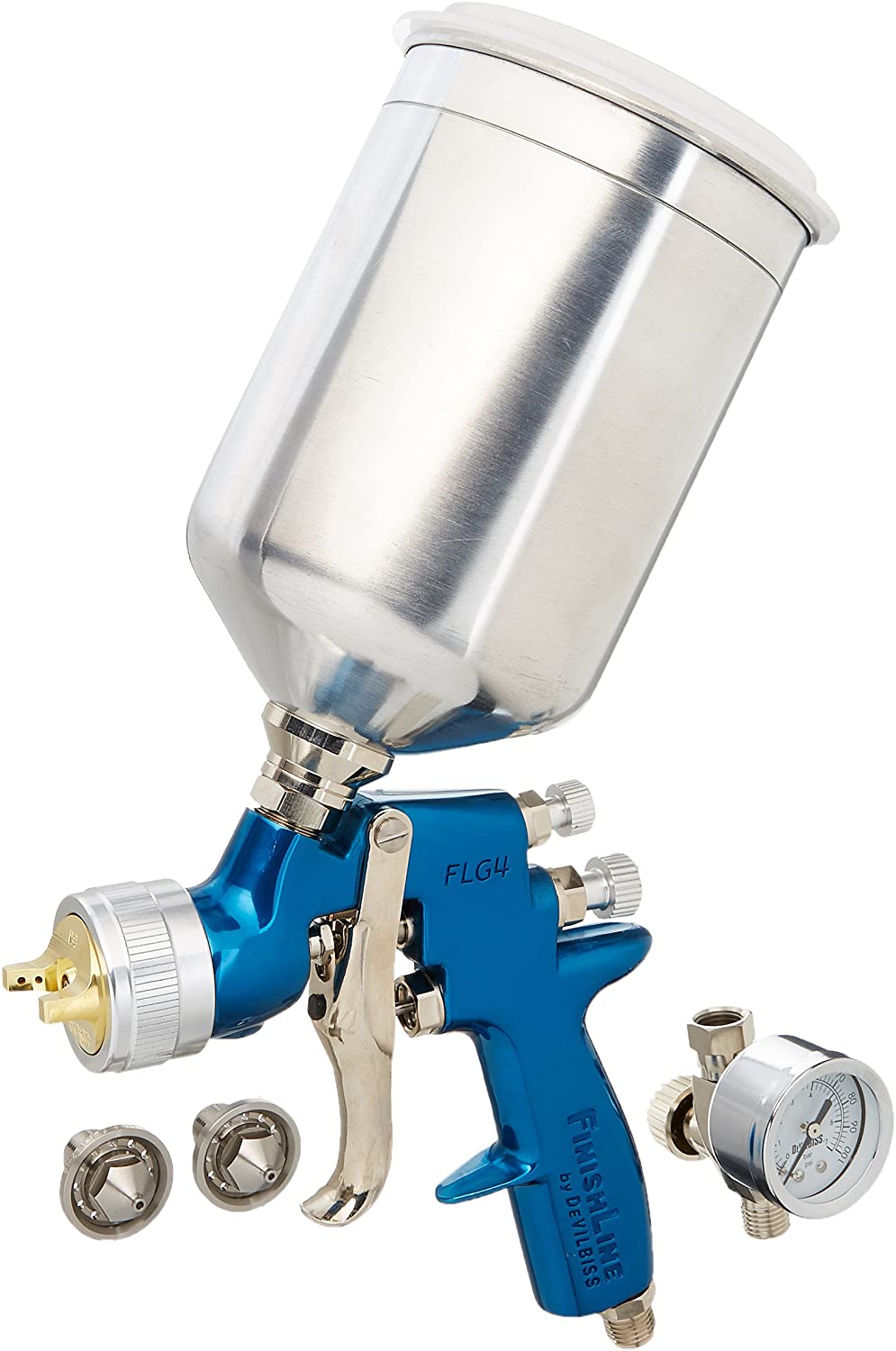
Read: Best Spray Gun For Automotive Restoration
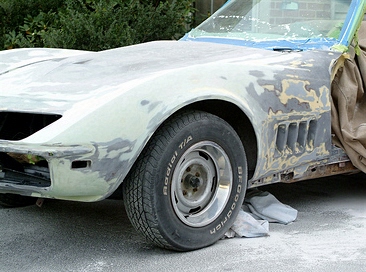
Automotive Paint Removal
There are several methods to strip paint from cars, including acid-dipping, sand-blasting, and media-blasting. But if you're working with a budget, paint stripping by hand is the best choice.
*********
How To Spray Paint An Engine
Applying a few coats of paint to a rebuilt engine provides protection as well as good looks. Here's some tips on how to spray paint an engine block and engine components from an aerosol can.
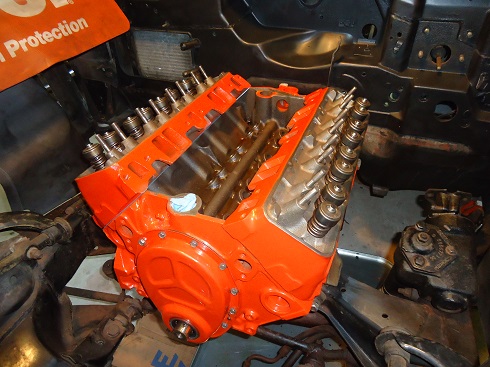
Read: Spray Painting An Engine
*********
Ripped Dust Boot Replacement
When a ball joint or tie rod boot gets damaged, grease ends up all over your car's undercarriage, but worse, the parts will wear out much faster.
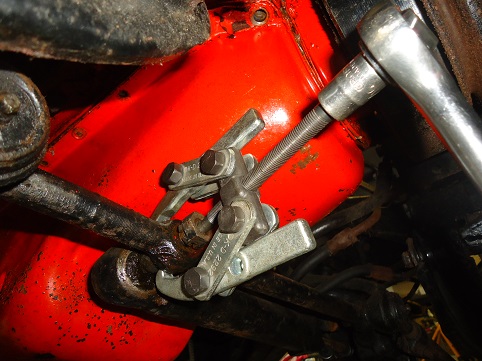
Read: Replace Tie Rod Dust Boots
********
Steering Cylinder Rebuild
Rebuilding a power-steering cylinder is always less expensive than buying a replacement unit, plus it keeps your classic car as original as possible.
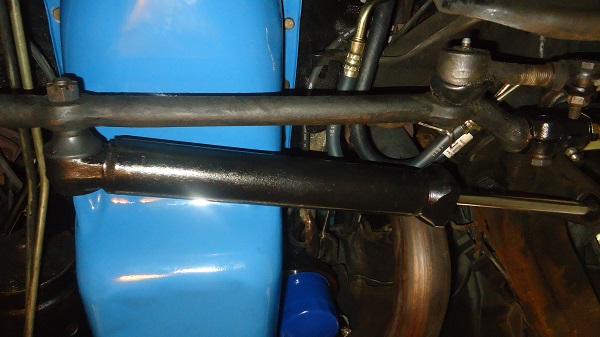
Read: How To Rebuild A Steering Cylinder
*********
Sway Bar Links and Bushings
If that squeaking sound from the front end is getting worse, and if there's a clunking noise when driving over bumps, it's time for an undercar inspection.
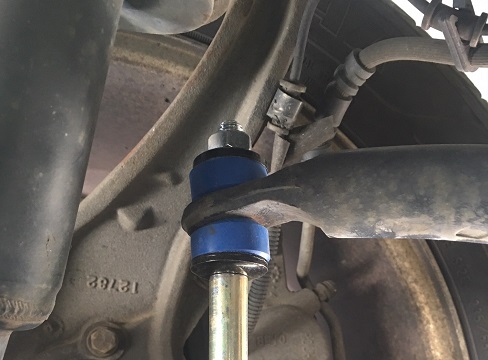
Read: Sway Bar Link Replacement Tips
*********
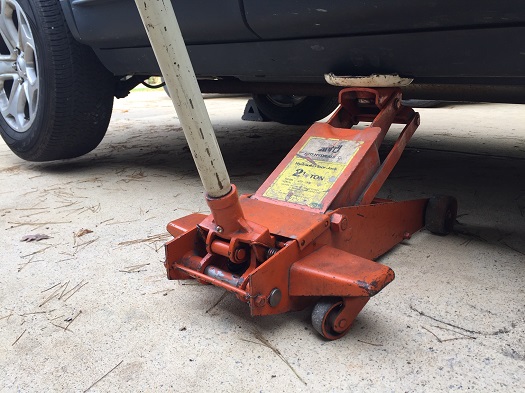
Floor Jack Repair
After 25 years of service, my old floor jack stopped holding pressure. Rather than buy a replacement, I decided to buy a rebuild kit and repair it.
Read: Repair An Old Floor Jack
*********
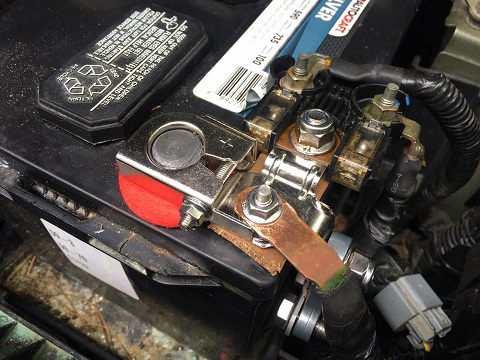
Ford F150 Corroded Battery Terminals
The dealer wants to sell you the whole cable harness, but there's a better way.
Read: Replace Battery Terminal Ford F150
*********
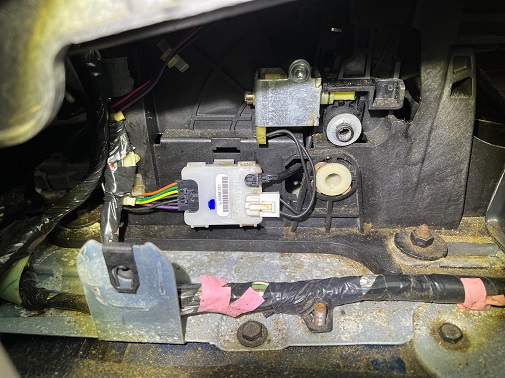
Replace Shift Interlock Solenoid 2006-2010 Explorer
Designed to fit 2006 through 2010 Ford Explorers and Mercury Mountaineers, and 2007 through 2010 Sport-Trac pickups, the Dorman 924-707 module is a direct replacement for the original circuit board which has been known to fail.
Read: Replace Shift Interlock Module Ford Explorer
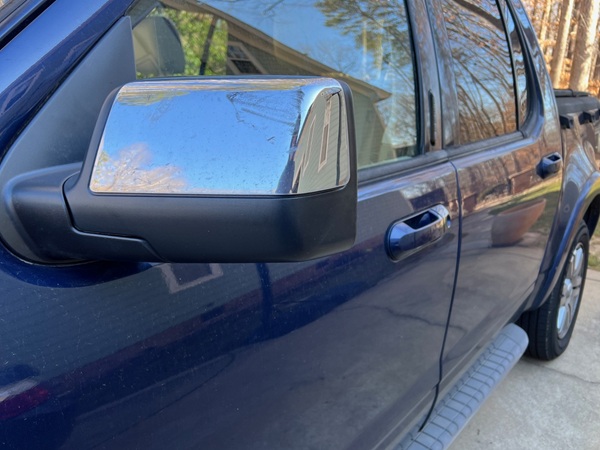
Here's a step-by-step on how to replace the left-side mirror assembly on 2006 through 2010 Ford Explorers, as well as 2nd-Generation Sport-Tracs (2007-2010).
Replace Side Mirror Ford Explorer and Sport Trac
*********
Add Oil Filter To Old Jeep
Many early Jeeps left the factory with no oil filter. A common upgrade, then and now, is adding a remote oil filter.
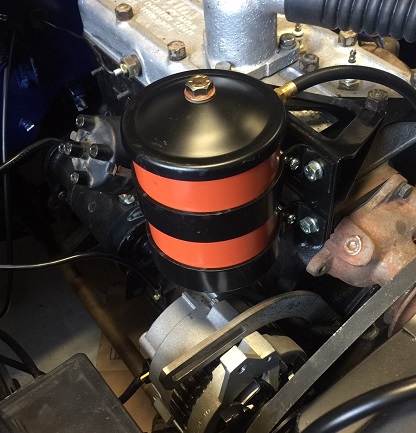
Read: Willys Jeep Oil Filter Canister Installation
***