1979 Fiat Spider Brake Overhaul
Article by Mark Trotta
After driving the car for the first time, the lack of brake pedal pressure was a concern. A four wheel brake inspection became the first priority.
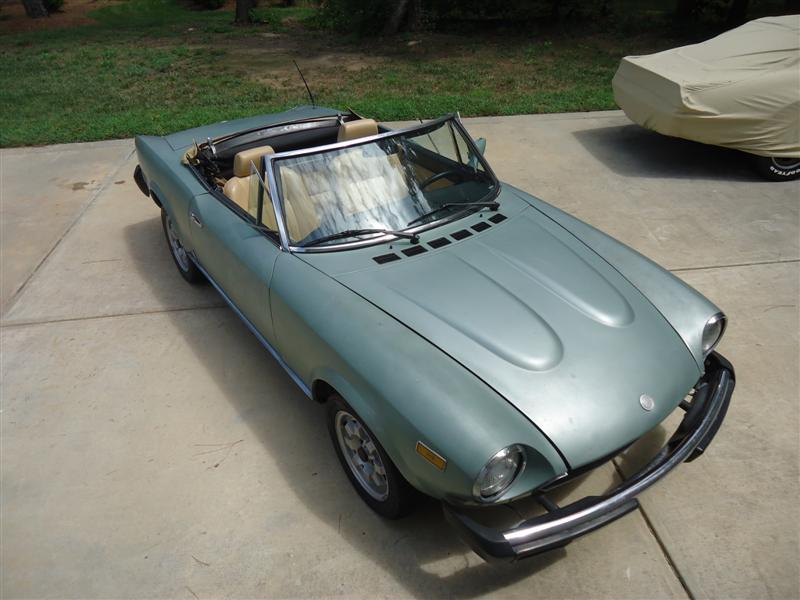
Getting Started
After clearing out some room in the garage, the car was jacked up and placed on four jack stands, and all four wheels removed. Initial inspection showed the pads and rotors to be within spec, showing minimal wear with no scoring or heat checking.
Bleeding The Calipers
Starting with the right rear caliper, I noticed the bleeder screw was snapped off and repaired with a wrong-sized bolt, plus it was drilled out off-center!
Once the bleeder screw was removed, I found there was no brake fluid in the caliper.
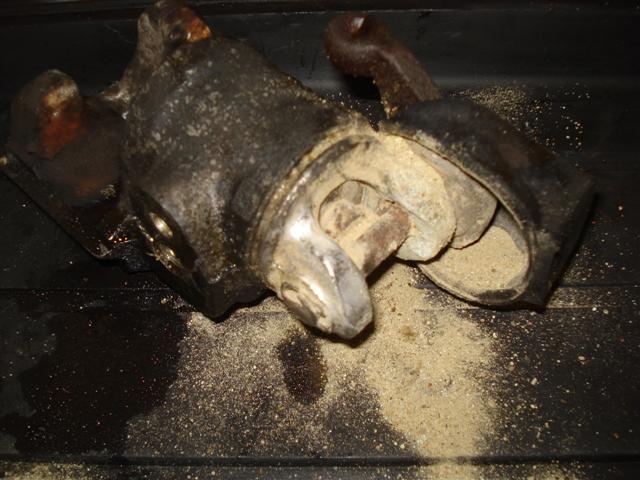
Moving over to the left rear, I opened up the bleeder screw, and nothing came out of that one either. The dust boots on both rear calipers were ripped and full of dirt and sand.
Caliper Replacement
Fiat Spider rear calipers are not easy to find. Many companies that advertise them don't really have them--they rely on you to send in yours for the rebuild. And if yours are not rebuildable, you'll pay a lot more.
Due to the incorrectly repaired bleeder screw, at least one of the old calipers would not be accepted for core value. So I did a little homework, and found that other year and model Fiats use the same rear calipers as the Spiders.
1966-1985 Fiat 124 Spider, Spider 2000, and Pininfarina
1967-1975 Fiat 124 Sport Coupe
1974-1988 Fiat and Bertone X1/9
************
To my good fortune, I found Fiat X1/9 listed locally that was being parted out. I drove out with a bag of tools, gave him fifty bucks, and removed the calipers. I got the front ones as well.
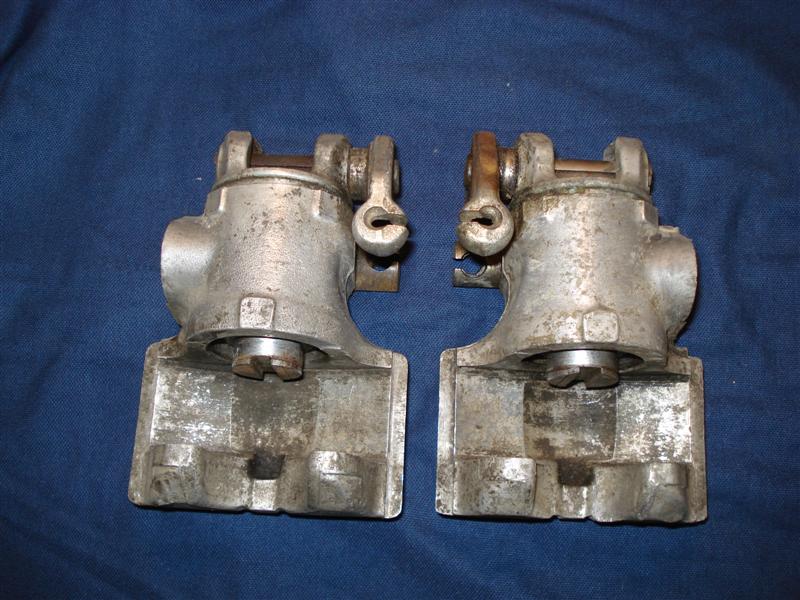
Hoping to rebuild them, I tried taking them apart, but the pistons were stuck and wouldn't budge.
After soaking with WD-40 penetrant for over a week, they still wouldn't budge. 90 psi of air pressure didn't work either.
After a little online shopping, I found a rebuilt pair that was in stock and bought them. The units themselves were $125 each, and the cores from the junked X/19 were worth $60 each in core value.
Steel Brake Line Issues
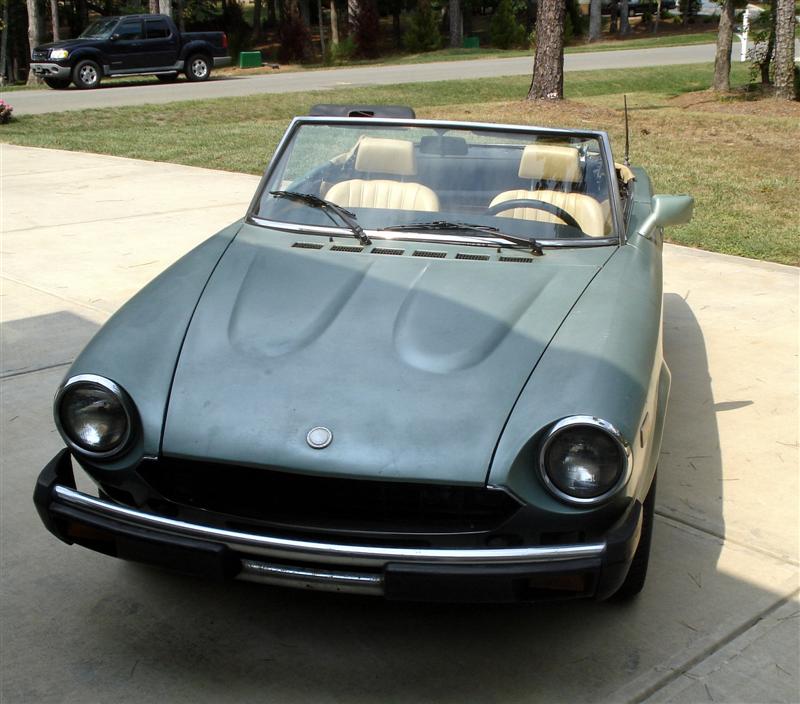
The front brake calipers were fine, but the right-side steel line had previously been "repaired" with a compression fitting placed between the original metric line and a standard-flare line, with an adapter on the other end. Another brake line was kinked and twisted.
Whereas earlier Fiat 124 models had the more common double flare brake line, later Spiders use a bubble flare. The ends are an odd metric size (10mm x 1.25).
Several companies offer a steel line kit, but no-one had them in stock. I placed an order for them, and they arrived two months later.
Read: How To Make Steel Brake Lines
Brake Hoses
The four rubber brake caliper hoses are inexpensive and should be replaced if questionable. Remember to replace the copper washers, too.
Master Cylinder Replacement
The Fiat Spider master cylinder needs to be bench-bled, which is not easy because of the remote reservoir.
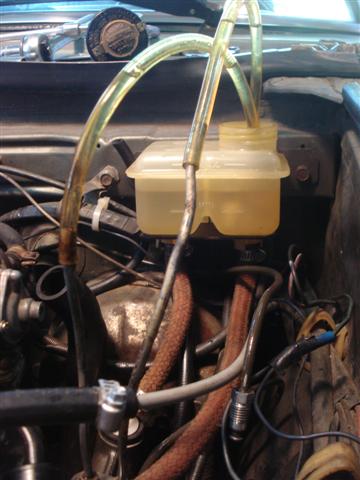
To help bleed the master, I mounted it onto the power brake booster and had a 2nd person pump the brake pedal from inside the car. The new master cylinder cost $45.
************
Brake Action Compensator
The next step was bleeding the calipers. Before this is done, you need to know that classic Fiat Spiders have a unique feature called a brake action compensator, which is mounted on the right side of the rear axle.
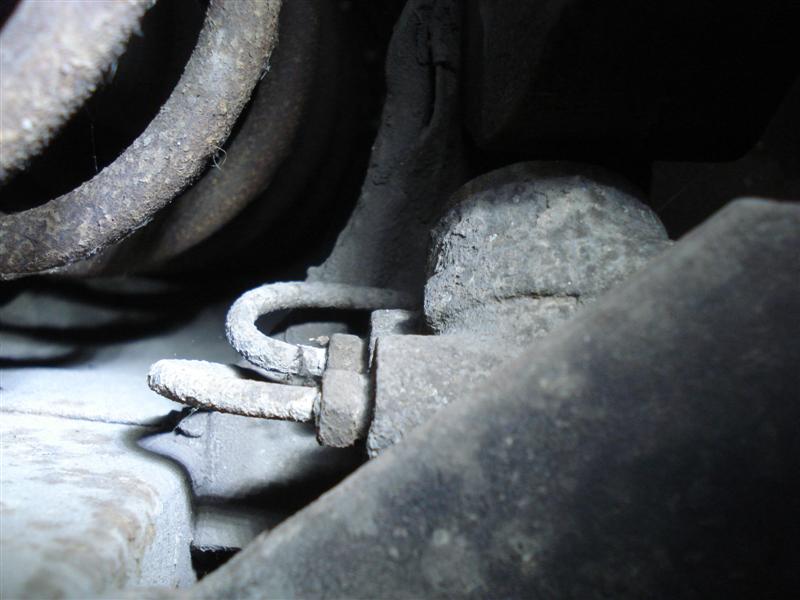
The brake action compensator works as a simple anti-locking device; if a rear wheel comes off the ground, the compensator does not allow brake fluid to the rear calipers, preventing loss of control.
While bleeding brakes on a classic Fiat Spider, if the car is on jack stands, the axle must be raised up to allow brake fluid to pass through the compensator, or rear caliper bleeding cannot be done.
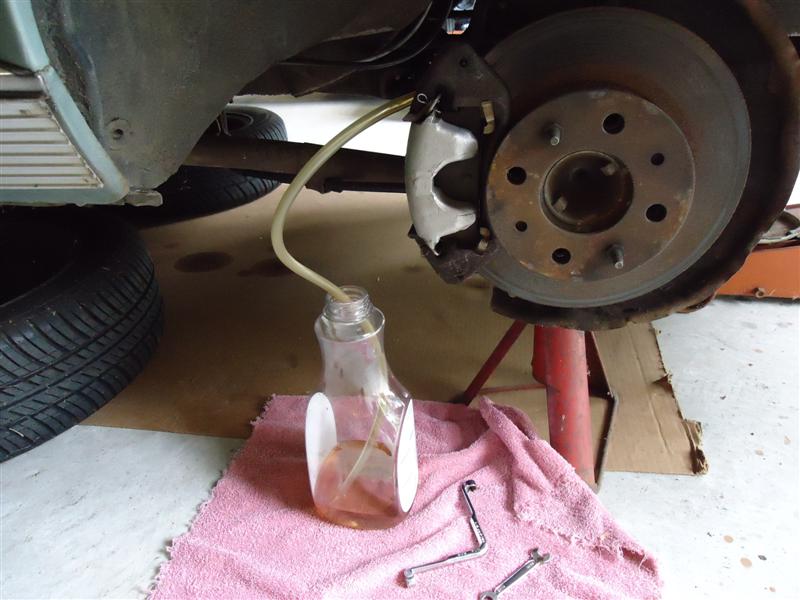
Starting at the right rear, then left rear, then right front, then left front, the caliper bleeding was accomplished. It took quite a few times around to get any sort of pedal pressure.
I've been told that the Spiders have a spongy pedal to begin with, so it'll never be 'rock hard'. I've also heard Fiat Spider owners keeping the power brake booster hose disconnected and plugged, which will give a harder pedal.
Read: Best Brake Fluid For Your Classic Car
************
Replace or Resurface Brake Rotors?
Fiat Spider brake rotors are thin when new, so they're prone to warp with heavy stop and go driving, so after resurfacing they'll be even thinner more prone to warping. So it's probably a wasted effort to resurface them.
If yours are close to or at minimum thickness (.35" or 9mm), replace them for safety's sake.
Fiat Spider brake rotors are still readily available and fairly inexpensive.
Front brake pads are usually replaced at this time as well.
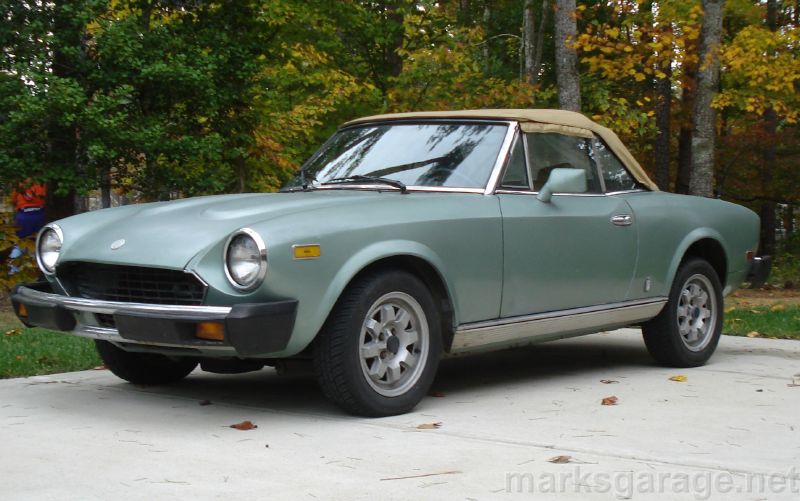
NOTE: On my 1979 Spider, the front rotors were the same as rear rotors.
************
Related Articles: