85 MPH Speedometer Law
Article by Mark Trotta
In September of 1979, the U.S. National Highway Traffic Safety Administration passed a bill which stated all car, truck, and motorcycle speedometers were to display a maximum speed of 85 miles-per-hour. Even though most vehicles could go much faster, limiting speedometers was an attempt to slow vehicles down during America's mid-70's energy crisis, and in doing so, save gas.

This U.S. federal regulation began on 1980 models, and also required speedometers to have a special emphasis on the number 55 (the national speed limit at the time).
The imposed speedometer limits did not govern the speed of the car, and the 85 mph max looked pretty silly on sports cars of the day.

Early Porsche 928 models were capable of speeds over 130 mph.
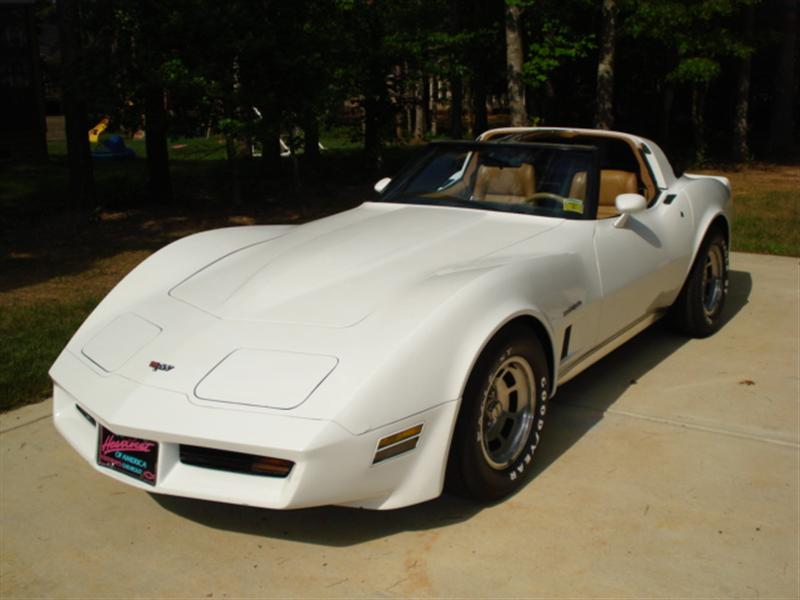
Although choked by emission components and decreased engine compression, early eighties Corvettes were still capable of 120+ mph.
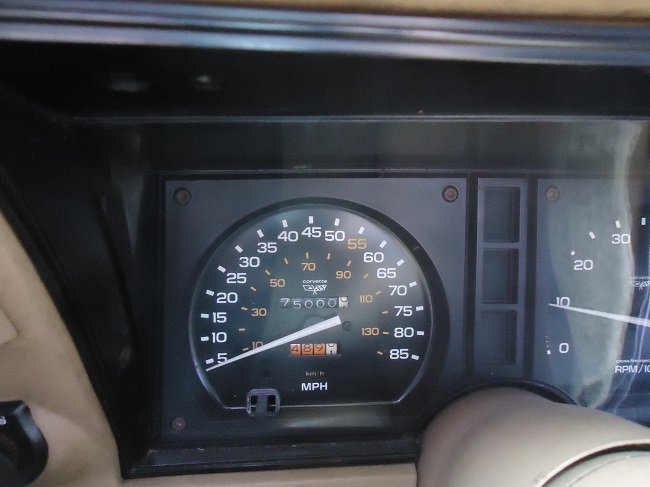
Author's restored 1982 Corvette with factory 85 speedometer. Aftermarket 140 mph retro kits have been available for years and many have been swapped out.
************
Some car manufacturers got around the rule by ending the numbers at 85 but leaving lines beyond that to show higher speeds, but most (like my '82 Vette) stayed pinned at 85 regardless of how much faster you were actually going.
************
Did The 85 MPH Speedometer Law Work?
In reality, the 85 MPH speedometer mandate did little to change the driving habits of most Americans. While government officials hoped gasoline consumption would fall by at least 2.2%, statistics show actual savings averaged less than 1%.
The 85 mph speedometer mandate ended in 1981 after much debate and little proof it actually did anything to change driver behavior. President Ronald Reagan, who campaigned on a pledge to end excessive government regulation, helped repeal the law.
There has never been any data showing that the 85 mph speedometer saved lives.
Porsche was one of the first manufacturers to switch back, offering recalibration and retrofit dials for their cars produced during 1979-1982.
Many cars kept 85 mph speedometers for several years until they were redesigned. On several mid-eighties cars with digital dashes (Buick Riviera and Camaro Berlinetta are two that come to mind), the speedometer would start blinking "85-85-85" when exceeding that speed as a warning.
By the late eighties, most cars were back to 120 mph (or higher) speedometers.
************
Emergency Highway Energy Conservation Act
Although all U.S. States have control over their own speed limits, the Emergency Highway Energy Conservation Act changed that for awhile. Signed by President Richard Nixon on January 2, 1974, the act prohibited the Federal Highway Administration from approving highway projects in any State having a maximum speed limit over 55 mph.
Any U.S. State could keep higher than 55-mph speed limits if they wanted to, but they would lose Federal-aid highway funding. Naturally, all 50 States complied with the legislation.
The objective of the act was part of a nationwide effort to save fuel and reduce foreign dependency on oil. It was in direct response to oil price spikes and supply disruptions that started from the 1973 oil crisis.
With fewer people driving, government officials started noticing highway deaths dropping and mistakenly associated it with speed. However, there was no proof that the lower speed limit was actually a factor.
The mandatory 55 mph limit was widely disregarded by most motorists, with many states opposing the law.
Congress repealed the bill in 1995, returning speed limit settings to individual state governments.
************
Back In The Day
This is my old Yamaha Seca Turbo that I bought new in 1982.

With the factory installed turbocharger set at 7 PSI, horsepower was about 90 and the bike was capable of 120+ mph.

During 'spirited' riding, you could peg the speedo in third gear (it was a five-speed bike).
************
Notes and Misc
Today, many passenger car speedometers register to 160 mph, even though the car's maximum speed is much less than that.
For example, a 2018 Nissan Sentra features a 160 mph speedometer, although it's top speed is only 118 miles per hour.
The Toyota Yaris has a top speed of 109 mph, yet has a 140 mph speedometer.
The reason that speedometers read higher than the car is capable of is to make it easier for the driver to see how fast they are going at a glance. For example, at 70 mph, the needle is straight up on a 140 mph speedometer.
************
Related Articles: