3 Ways To Test A Catalytic Converter
Article by Mark Trotta
In basic terms, an automotive catalytic converter changes toxic engine gases into safer gases before they leave the tailpipe. Symptoms of a clogged converter include poor performance, unusual noises or smells, and 'Check Engine Light' on dashboard. This article covers three best test methods for a bad cat.
Why Converters Fail
Several things can cause a catalytic converter to fail. A continuing engine misfire is one reason. Another reason is oxygen sensor failure. An improper air/fuel ratio (not enough fuel) can cause the converter to overheat.
If converter temperature exceeds 800 degrees, the precious metal catalyst wears rapidly. Higher than 1000 degrees, the catalyst in it's inner layer will sinter and die.
The dirtier the exhaust, the harder your converter has to work, which produces more heat. In extreme cases, the converter can be seen to "glow" from excessive heat. If the converter works this hard to clean a dirty exhaust it will quickly destroy itself.
Conversely, if converter temperature is too low after warm-up (between 475-750 degrees), no harm is done, but efficiency is sharply reduced.
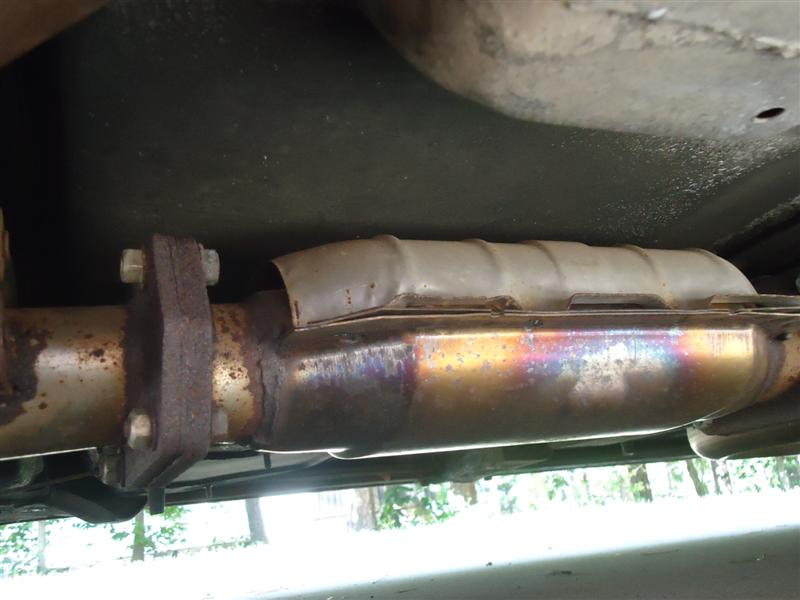
A converter may also fail due to age and wear.
********
Diagnostic Method #1) Scan Tool
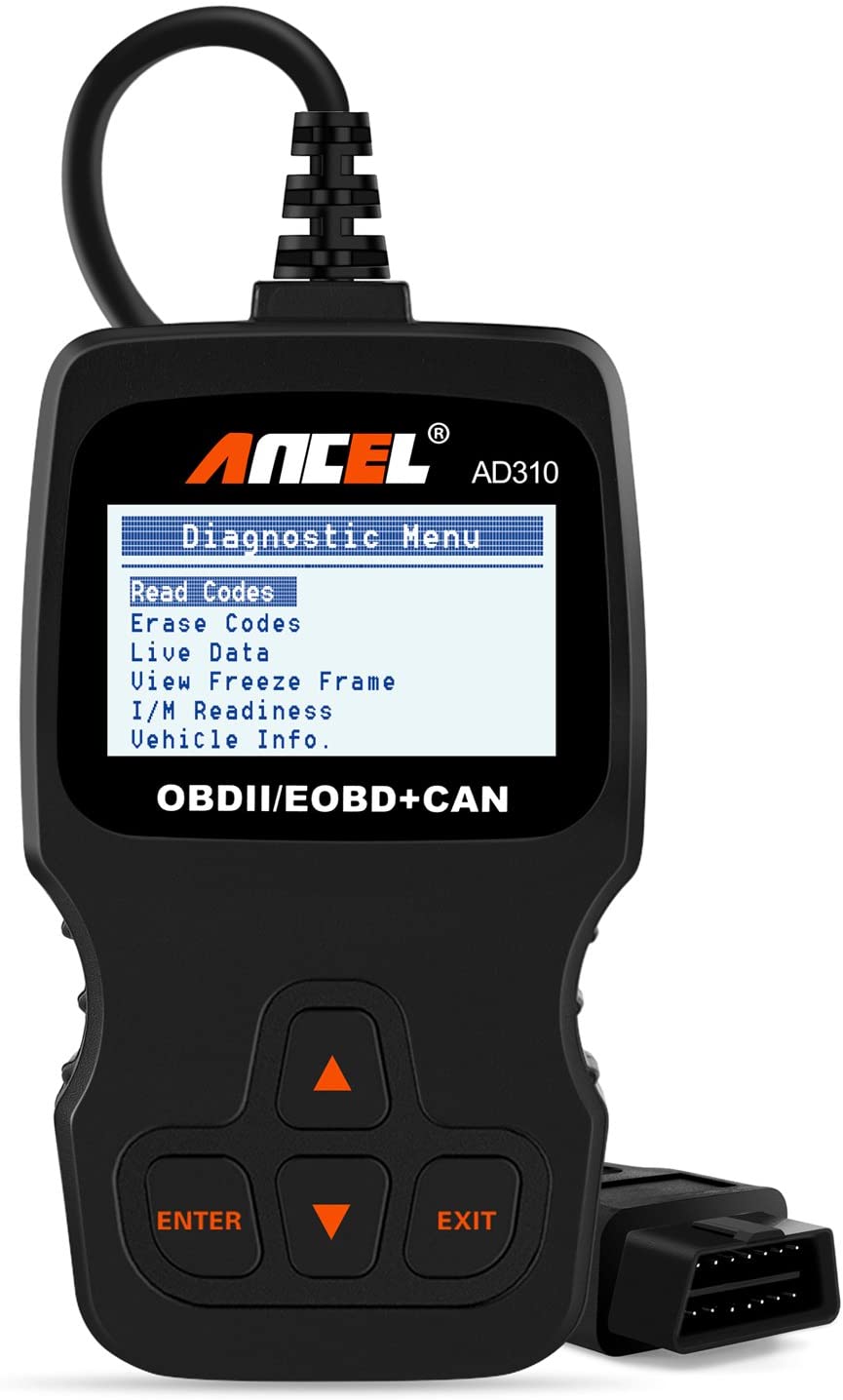
Connect an OBD-II scanner tool that reads live data. With the engine running, watch the upstream O2 sensor (the one closest to the engine). It should fluctuate back and forth as the engine adjusts the air-fuel ratio.
What Does P0420 Code Mean?
The code P0420 signifies "catalyst system efficiency below threshold".
Although many things can trigger a P0420 trouble code, the most frequent cause is a faulty catalytic converter.
Other causes of the P0420 code include a bad oxygen sensor, damaged exhaust manifold or exhaust pipe, or leaking exhaust pipe. But the most common cause of a P0420 code is a faulty catalytic converter.
With the engine running and scanner hooked up, watch the downstream O2 sensor (the one furthest from the motor). If the converter is working correctly, the reading should stay relatively stable (around 0.45 to 0.5 volts).
If the downstream sensor reading shows rapid fluctuations like the upstream sensor, the converter is faulty.
********
Diagnostic Method #2) Temperature Test
Exhaust gas temperature (EGT) is important to the functioning of your catalytic converter. It can be easily measured with an infrared heat gun.
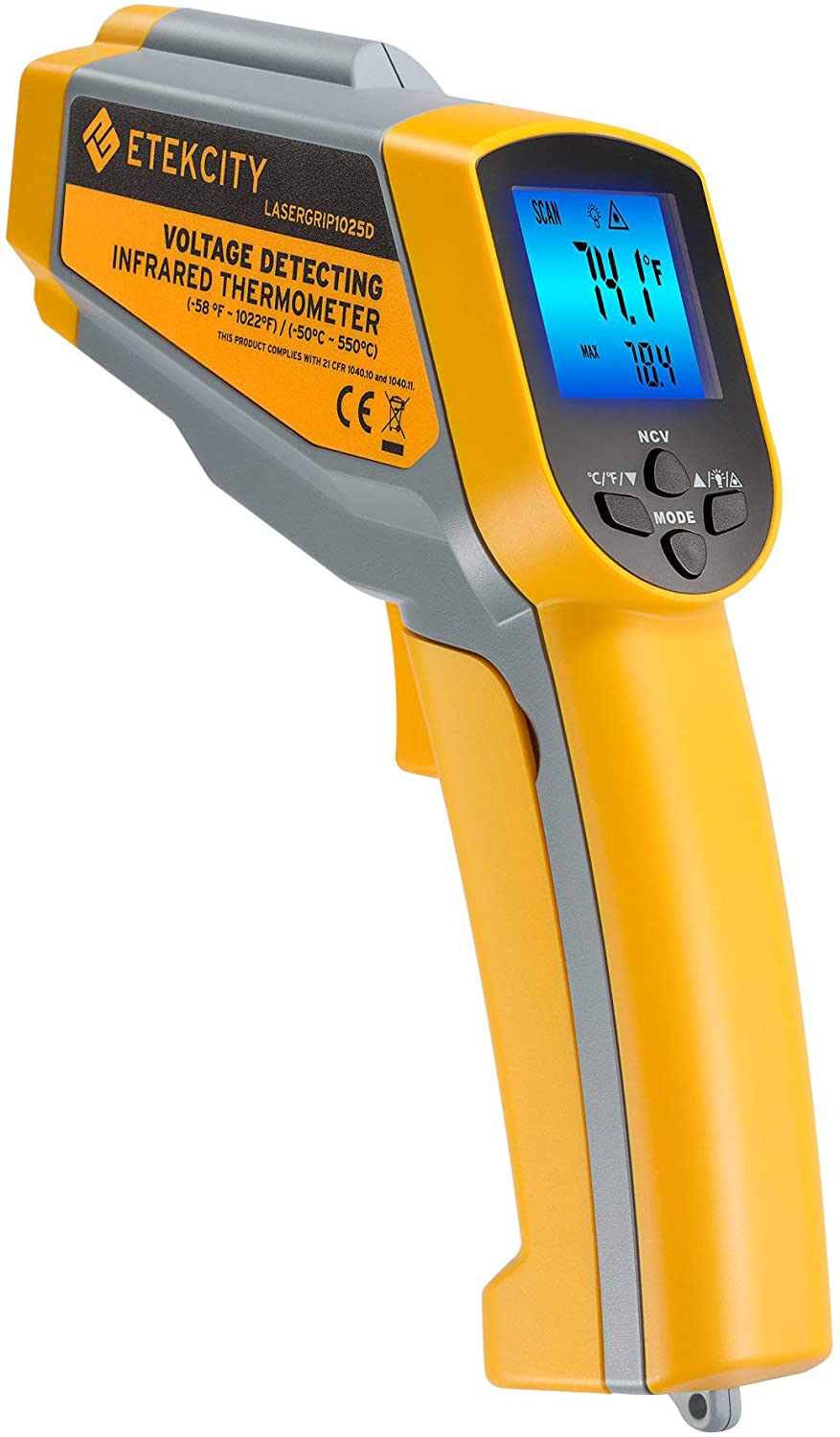
With the motor fully warmed up, measure the exhaust temperature directly at the inlet, and then at the outlet of the converter.
NOTE: Exhaust Heat Guns are generally accurate from three to four feet away.
A healthy converter usually has an outlet temperature roughly 10% (or about 100°F) hotter than the inlet.
Equal or lower temperatures at the outlet point to a clogged or bad converter.
********
Diagnostic Method #3) Back-Pressure/Restriction Test
After removing the upstream oxygen sensor, thread in an exhaust back-pressure gauge.
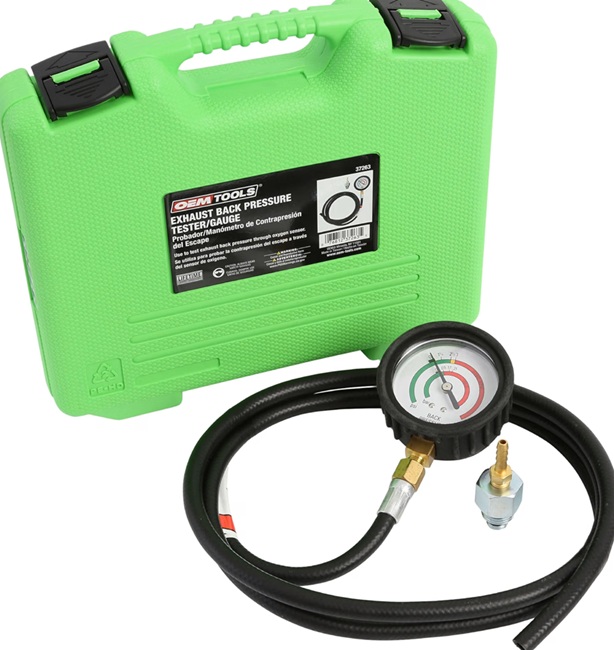
At idle, back-pressure should stay below 1 PSI.
At 2,500 RPM, back-pressure should not exceed 3 PSI.
Readings higher than 3 PSI indicate restriction in the converter.
********
Sell Your Old Catalytic Converter
Your old converter is worth money, not only for the precious metals inside (platinum, palladium, and rhodium) but also the outer stainless steel shell. If you call a local scrap yard and ask for a quote, they will likely ask for numbers off the old converter, which are stamped into the housing. These numbers specify the year, make, and model it was from, as well as the converter's contents.
********
Related Articles: